


100 Years on Fifth Avenue: The Historic Night That Lit Up the Tract
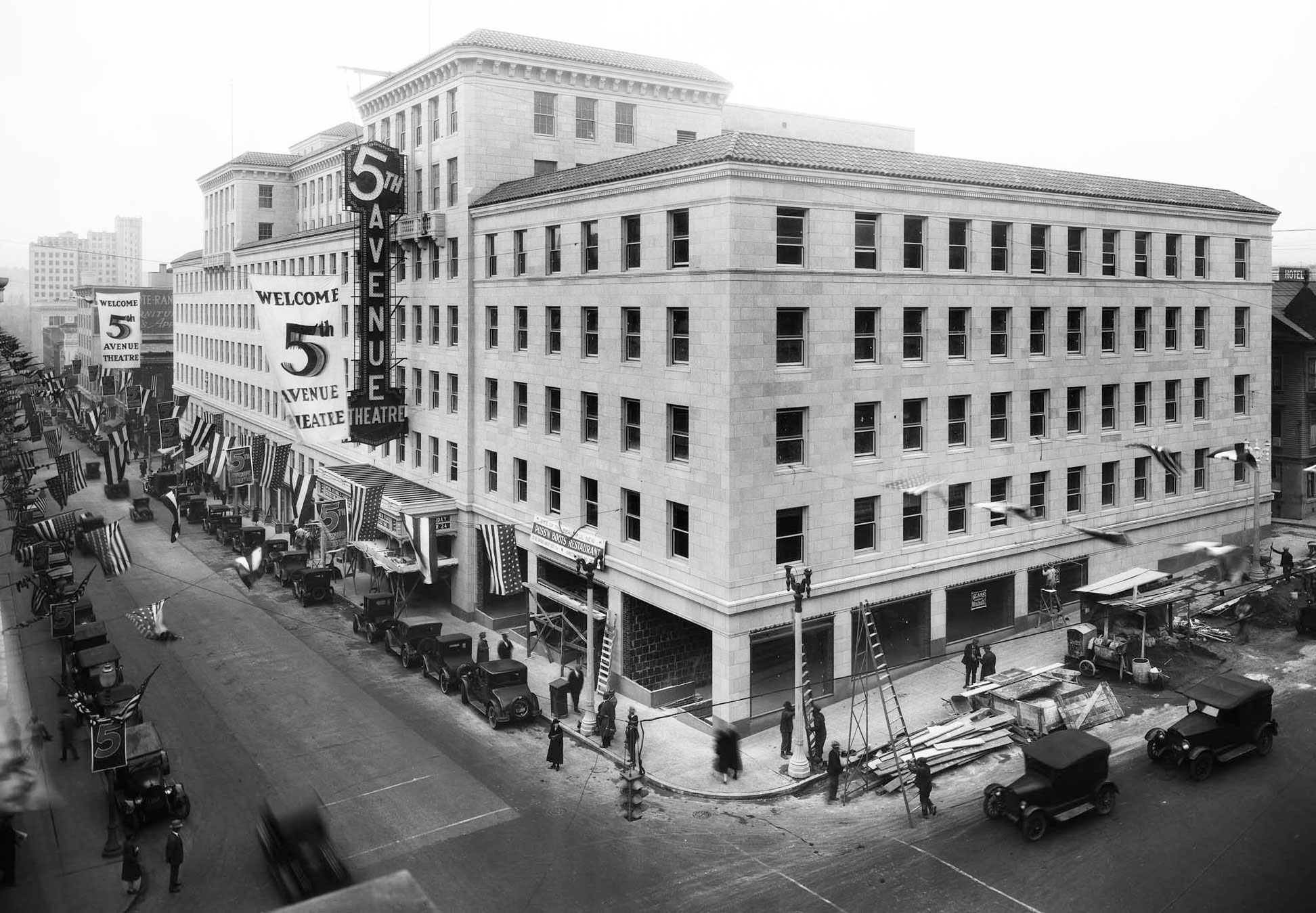
Step into the lobby on a crisp Friday morning in late September 1926. Autumn air sweeps up University Street from Puget Sound, carrying an electric hum that feels completely different from any normal business day.
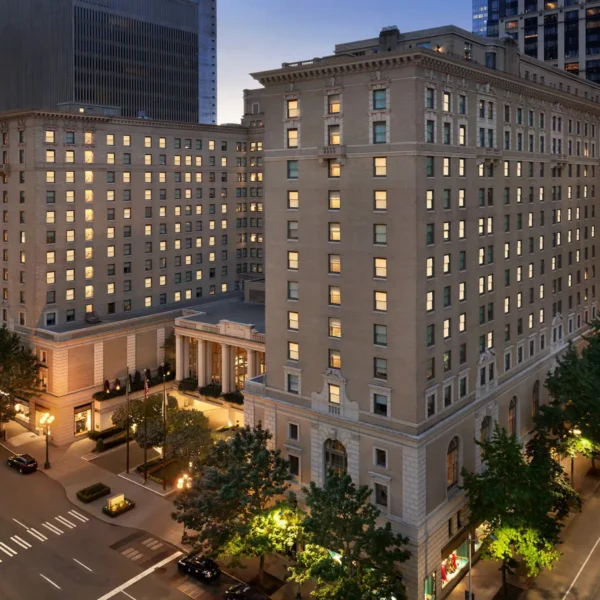
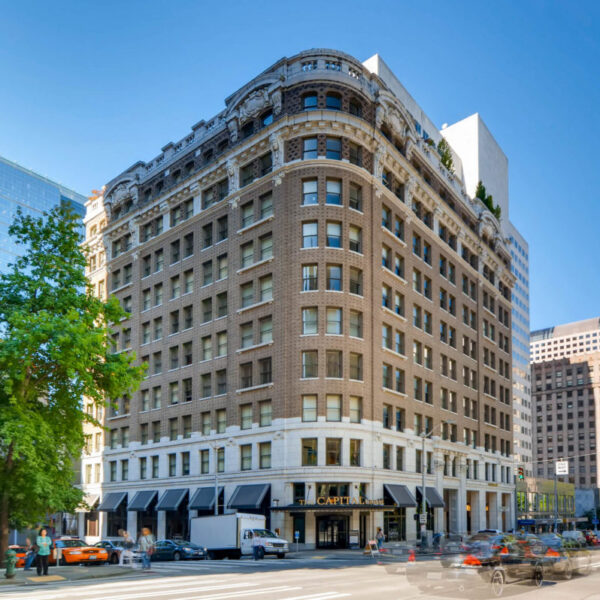
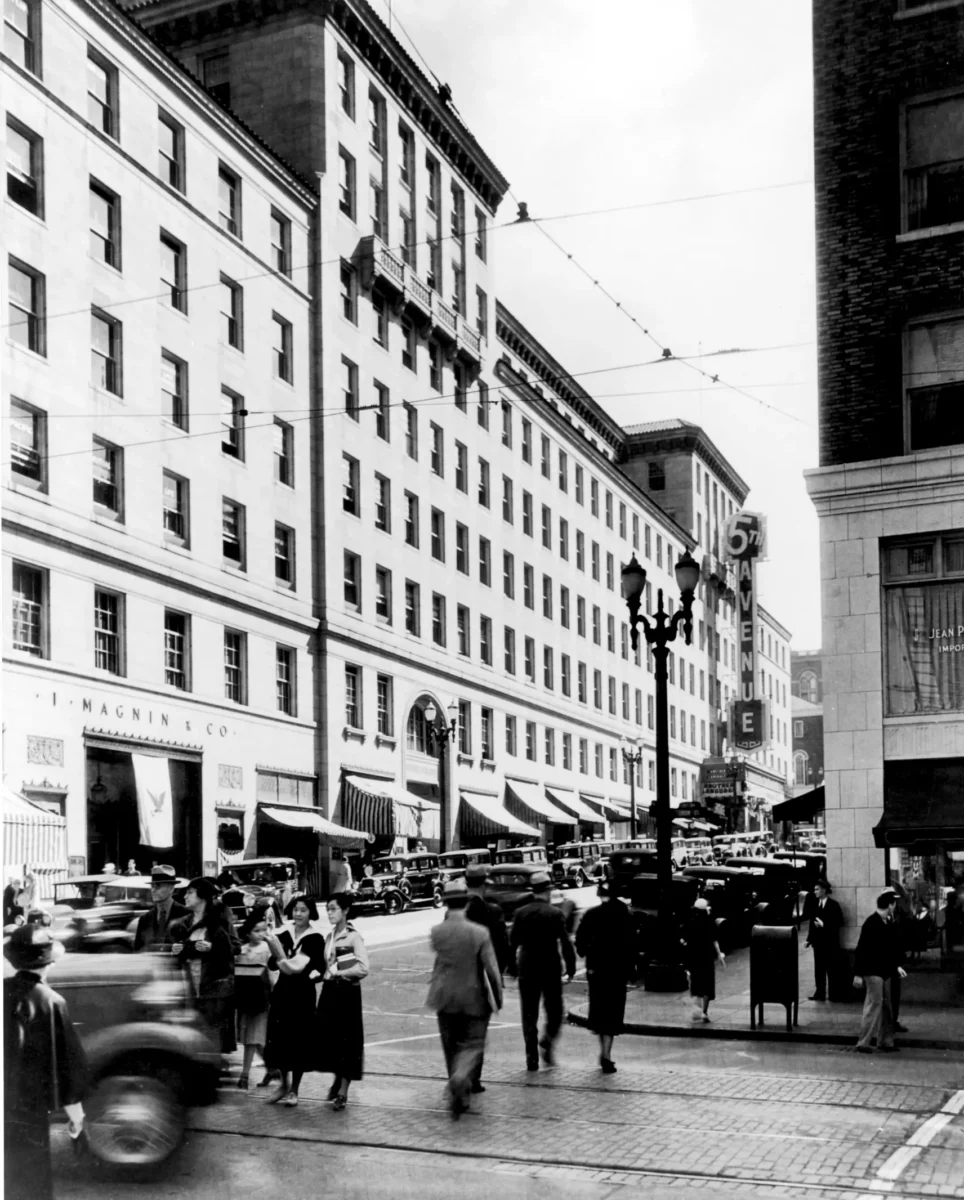
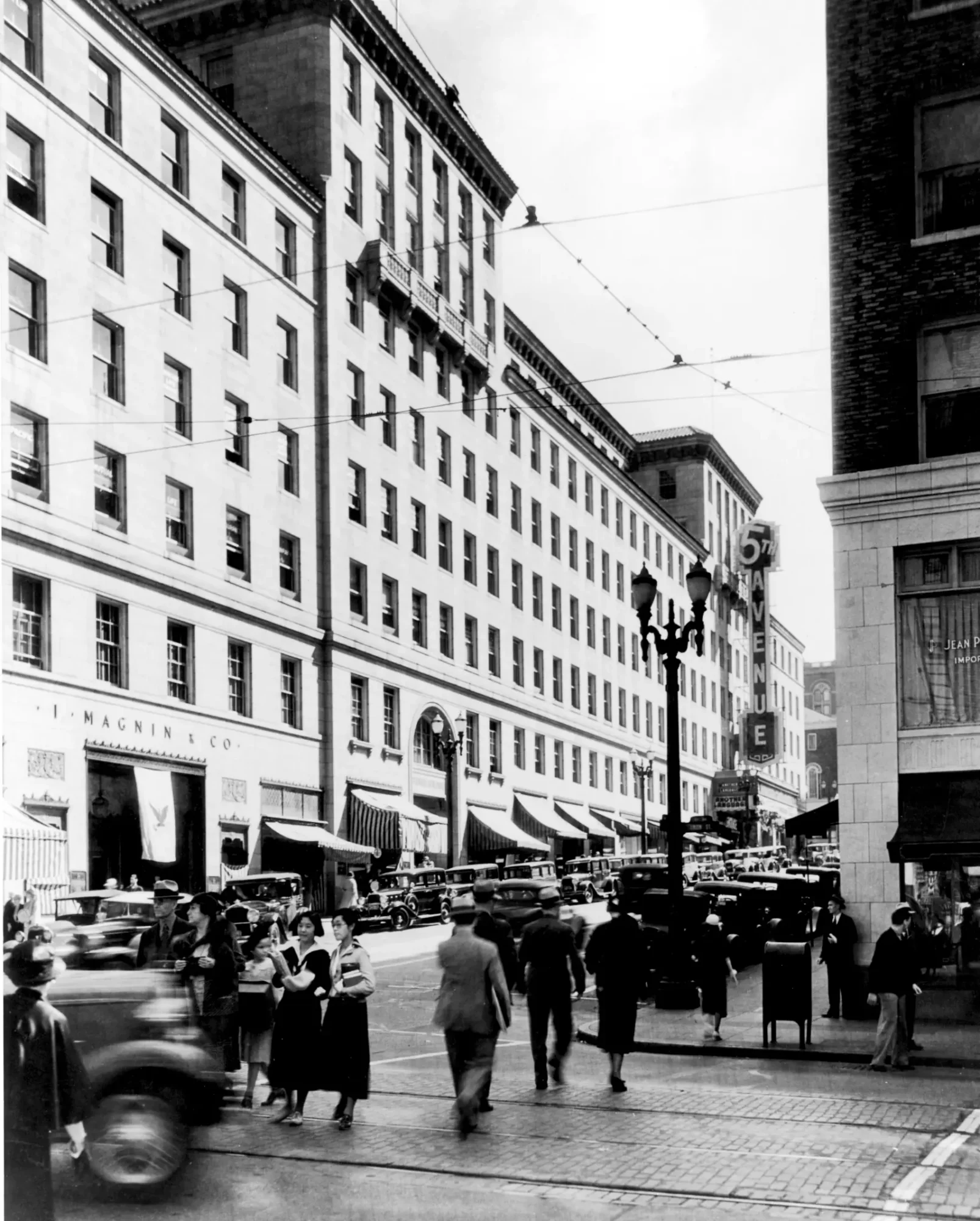
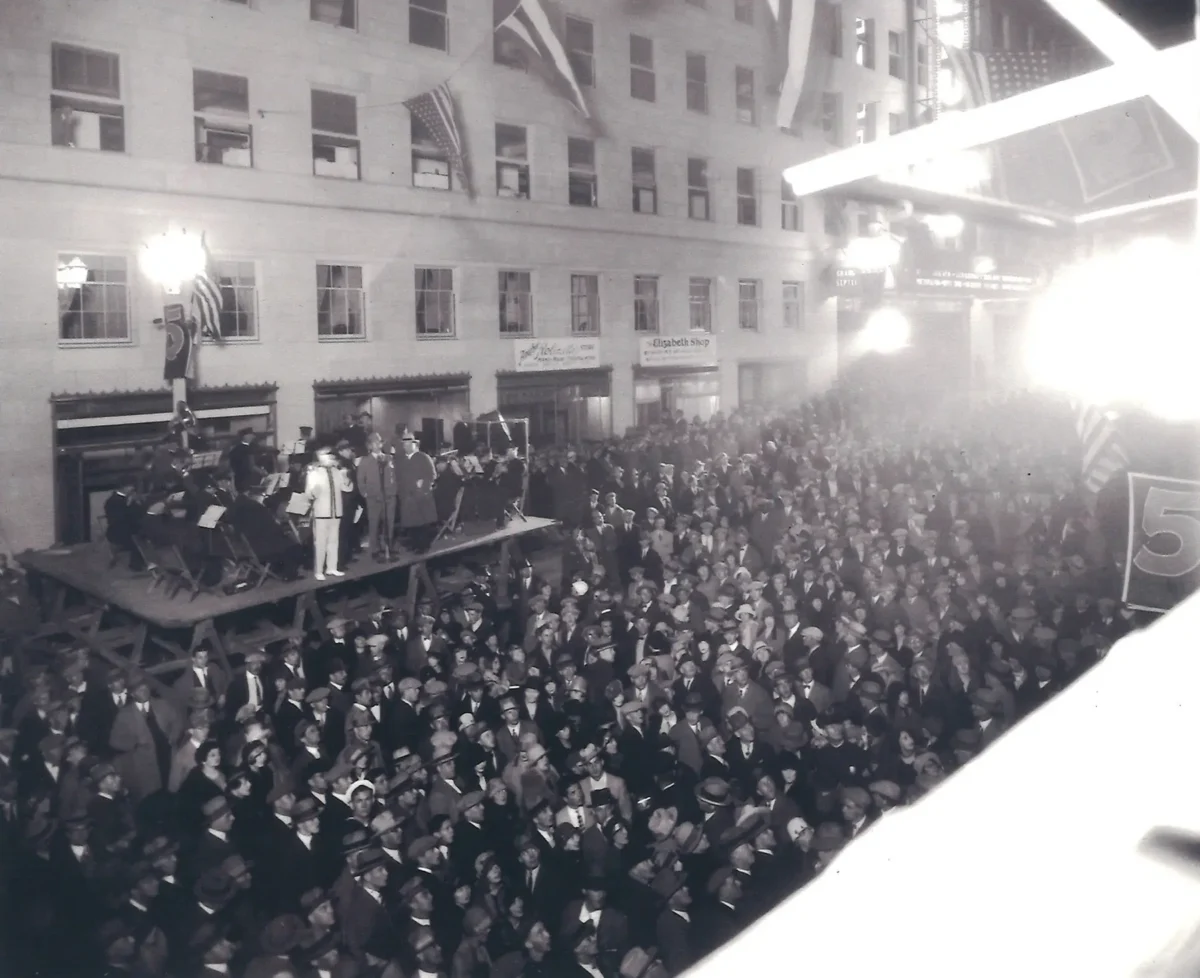
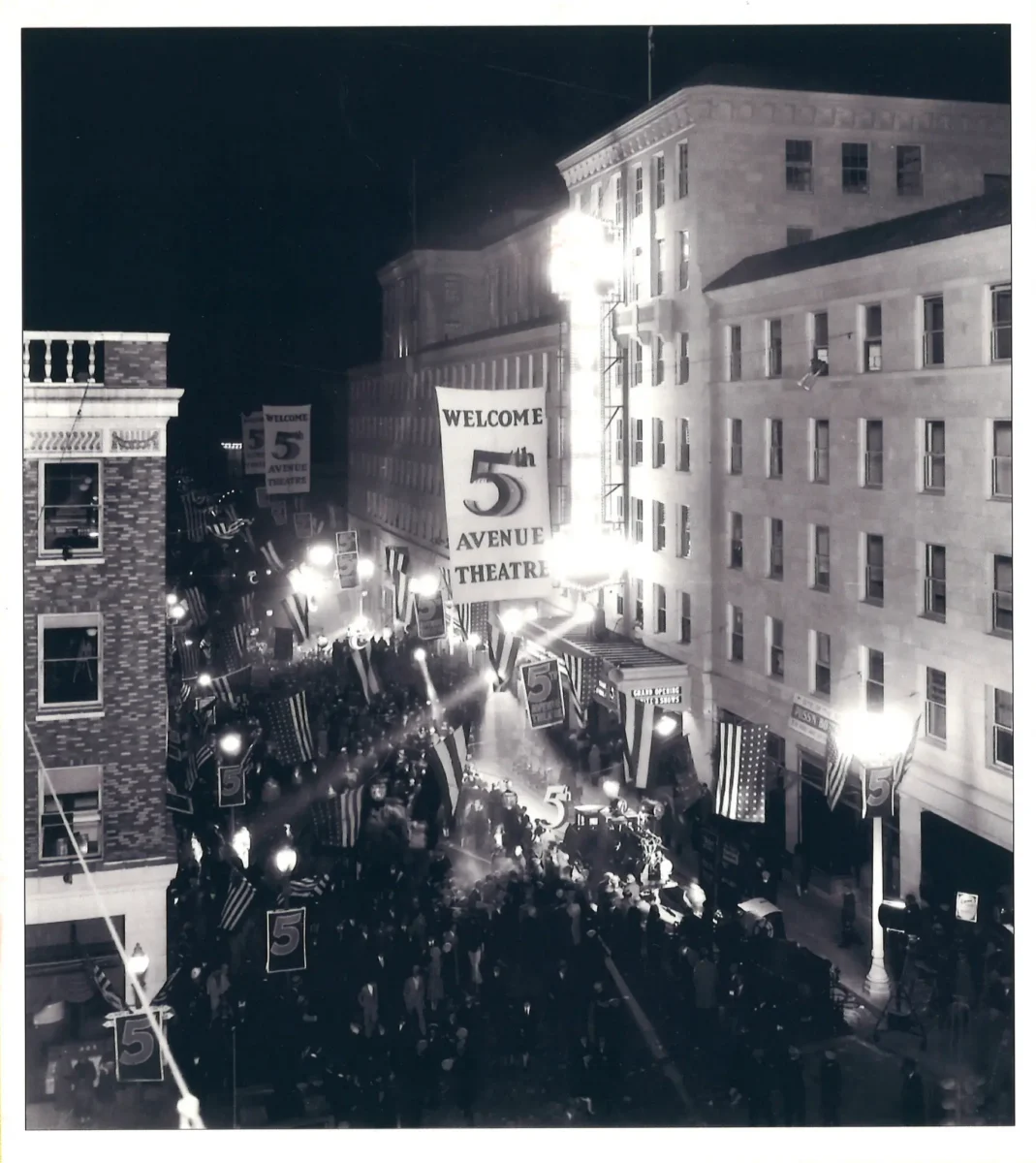
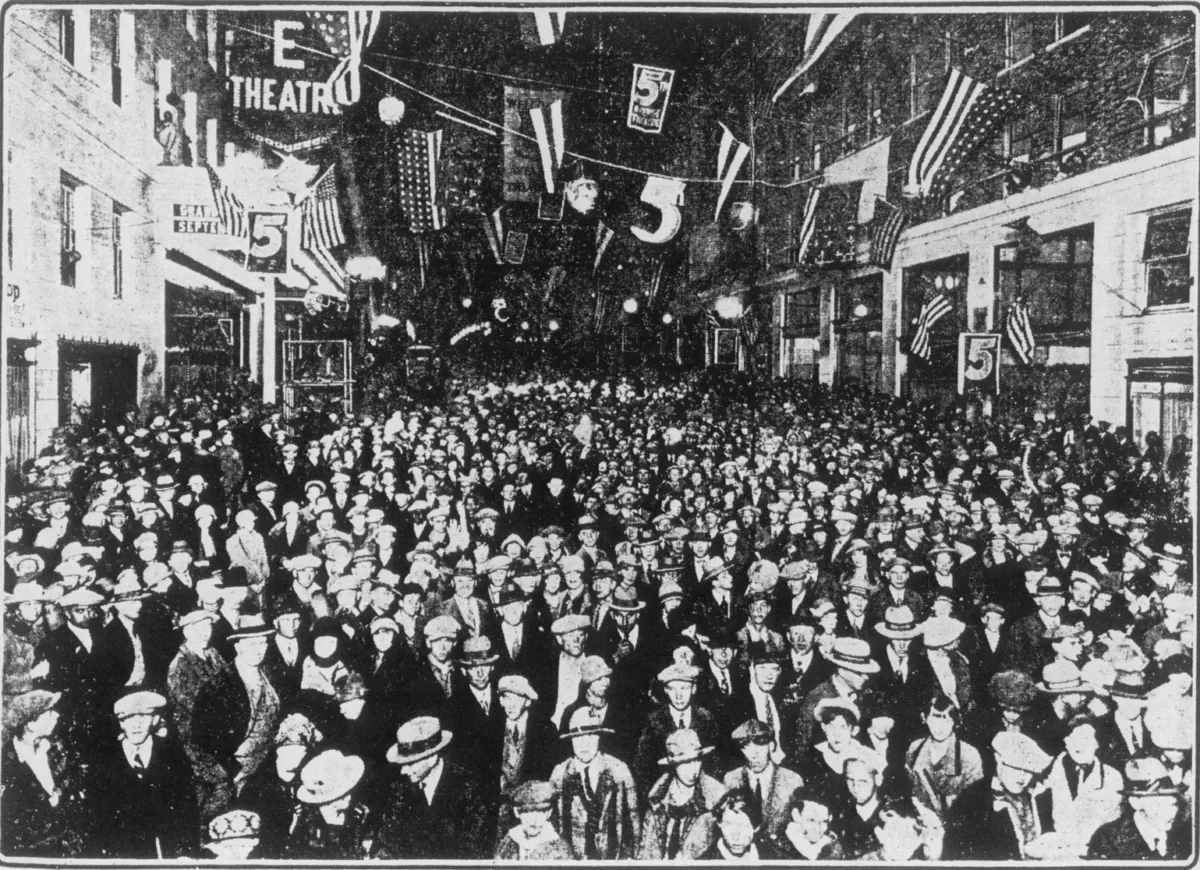
Exactly one hundred years ago, the Metropolitan Tract was wrapping up a productive week. Tailors, physicians, jewelers, and company clerks were arriving for work across the White-Henry-Stuart Building and the Cobb Building. Yet downstairs on Fifth Avenue, the entire district was preparing for the largest public street celebration Downtown Seattle had seen since Armistice Day.
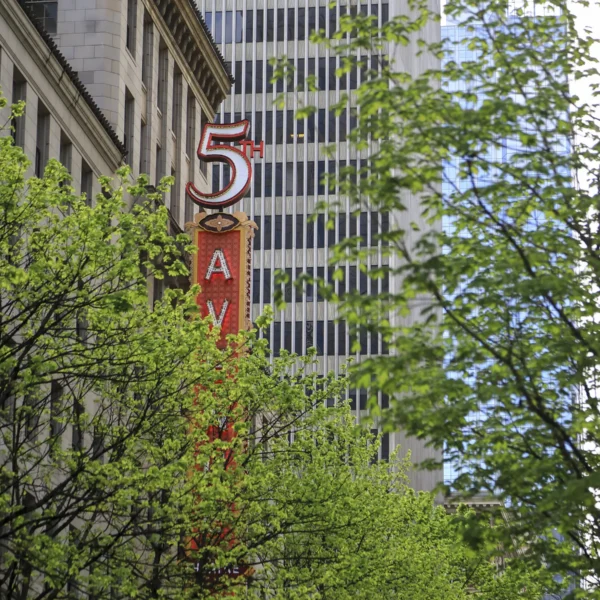
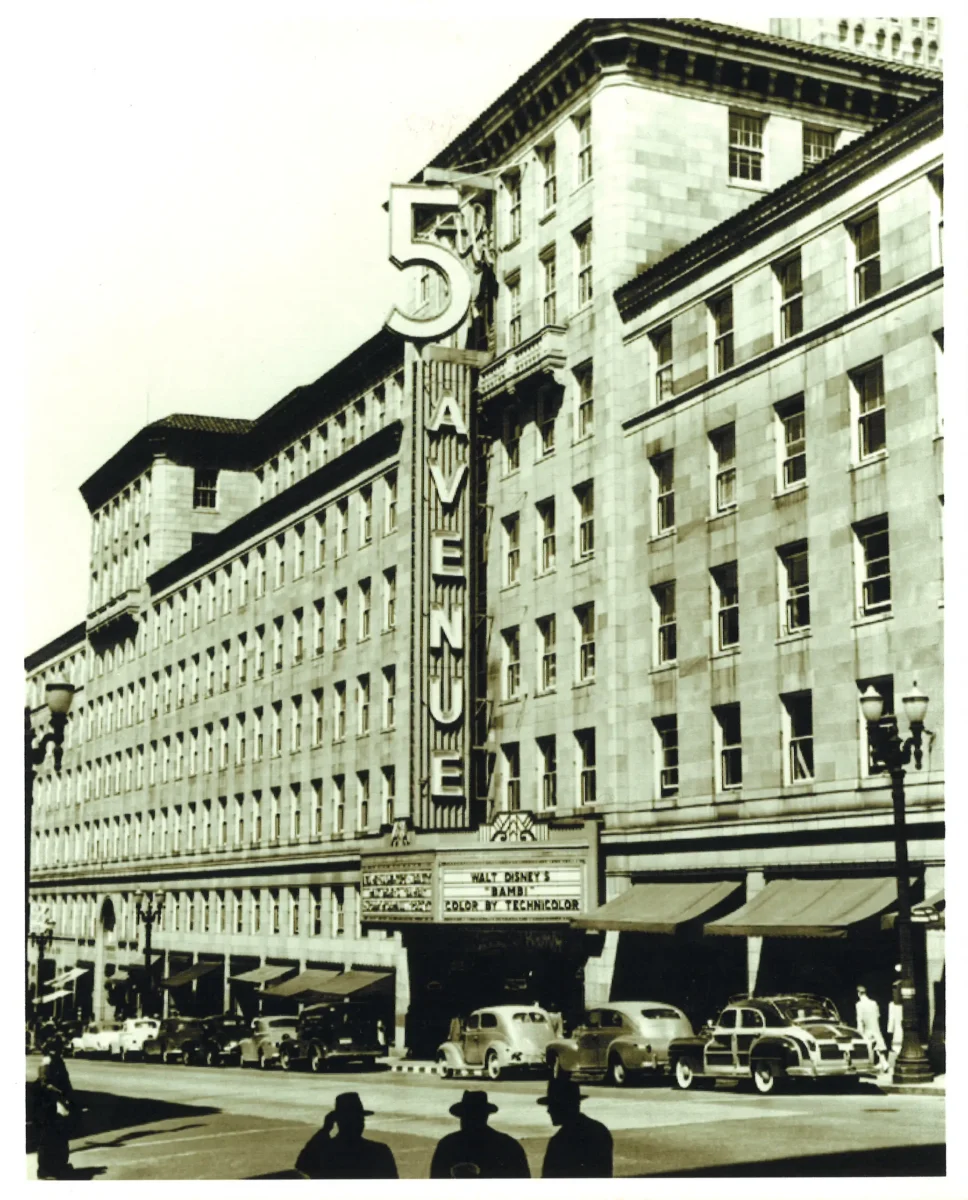
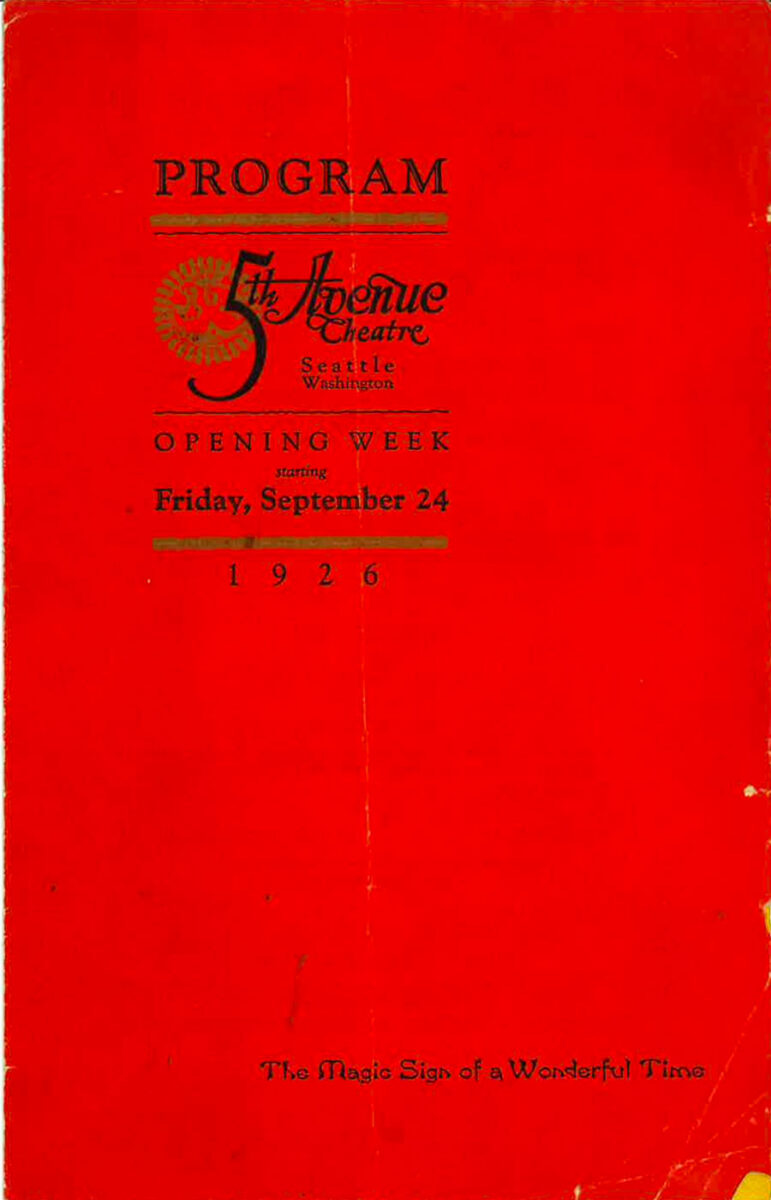
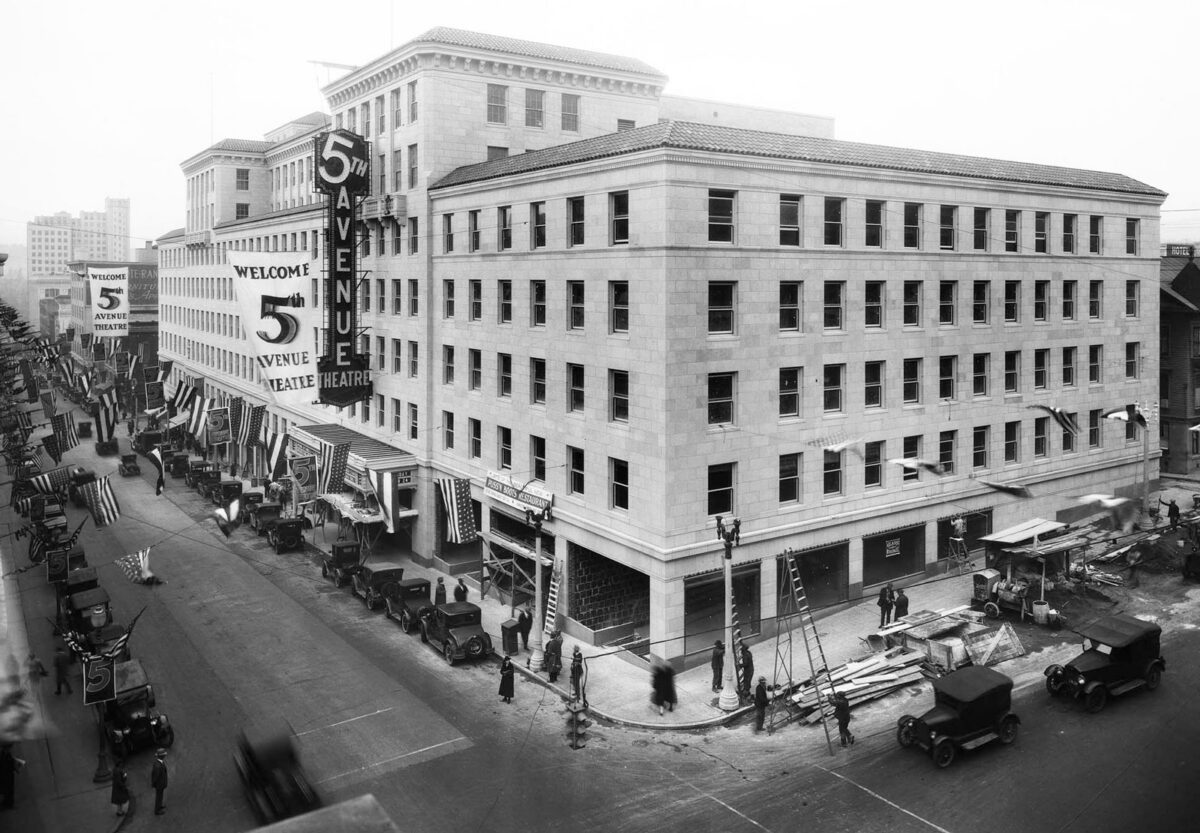
It was opening day for the brand-new Skinner Building and its crown jewel, the 5th Avenue Theatre.
Morning Buzz on the Upper Floors
By 8:30 AM, municipal streetcars clattered across the track intersections, unloading commuters into marble lobbies. The morning edition of the Seattle Daily Times sat on desks with front-page news of tonight’s gala. Looking down from upper-floor windows, tenants could see crews stringing colorful banners across intersections while electricians positioned carbon-arc searchlights along the curb.
Architect Robert C. Reamer had designed the exterior of the Skinner Building with refined Italian Renaissance dignity, tailored to the historic academic lands of the University of Washington. Behind those classic masonry walls, Pacific Theatres president Harry C. Arthur Jr. had invested 1.5 million dollars into an interior showplace that was already generating conversation across the entire West Coast.
Afternoon: Glimpses Behind the Arcade
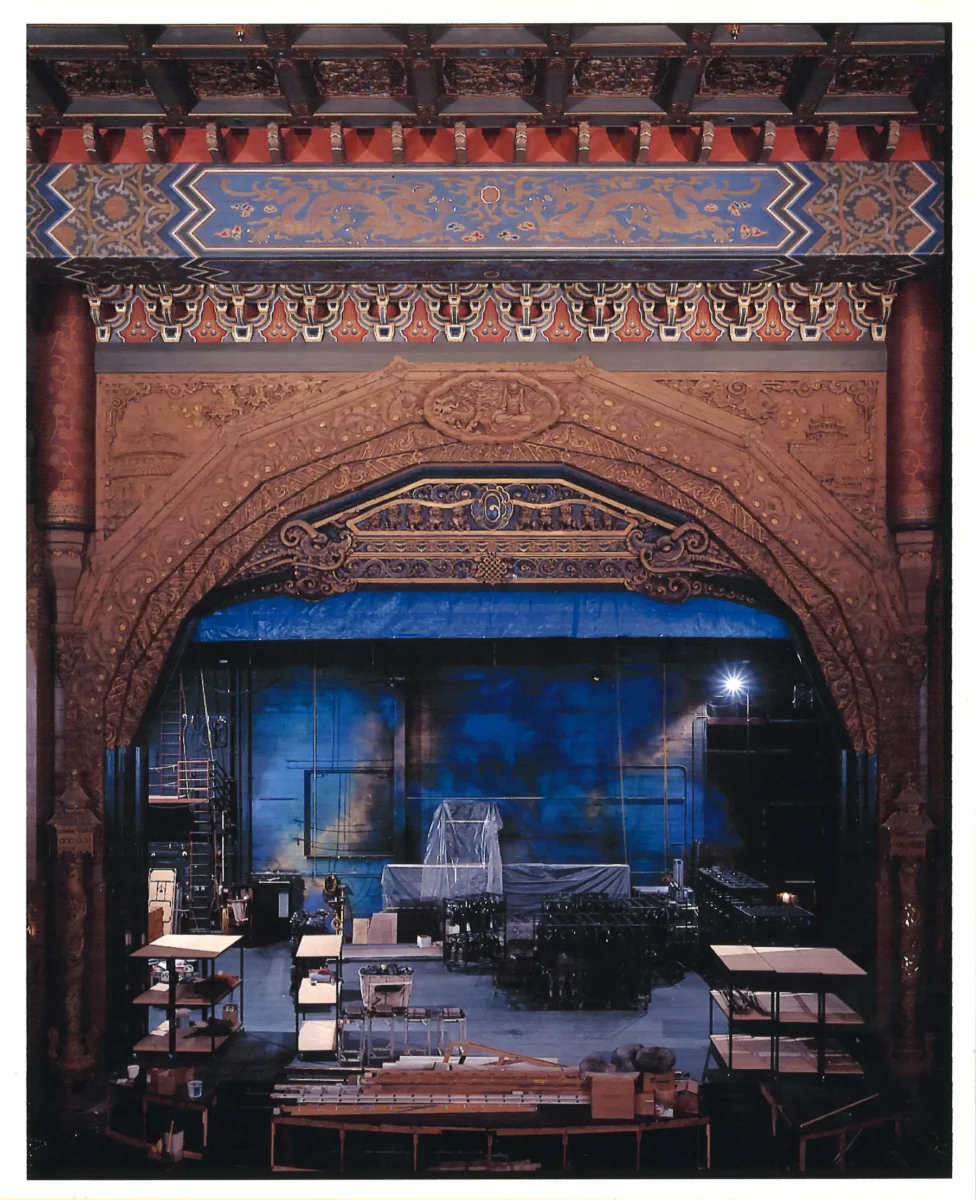
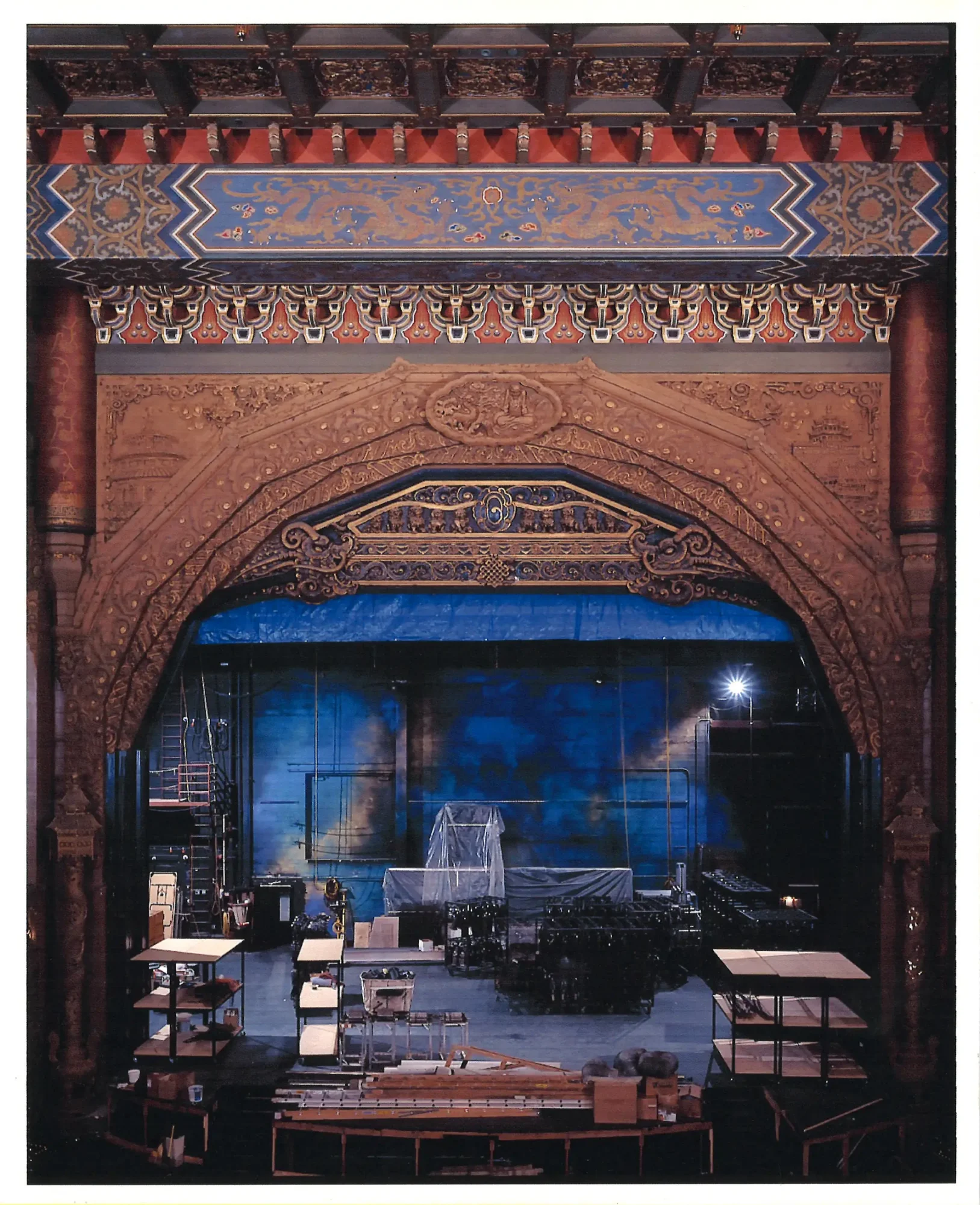
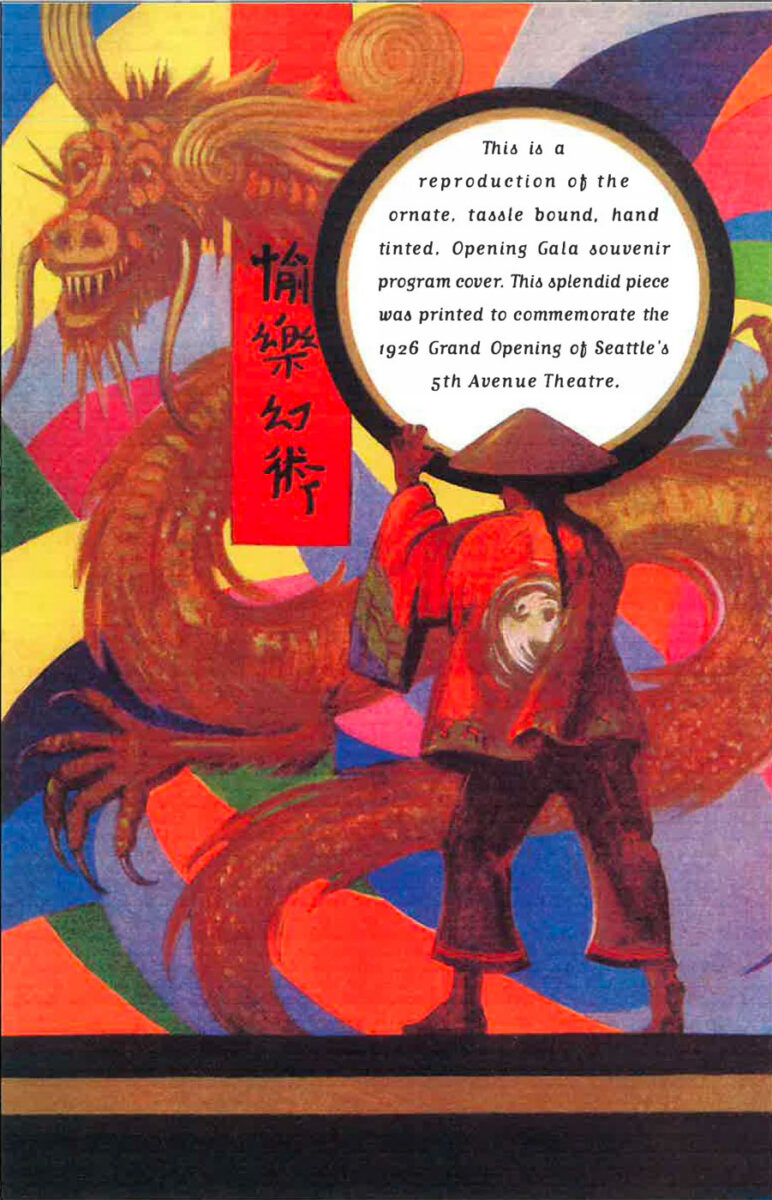
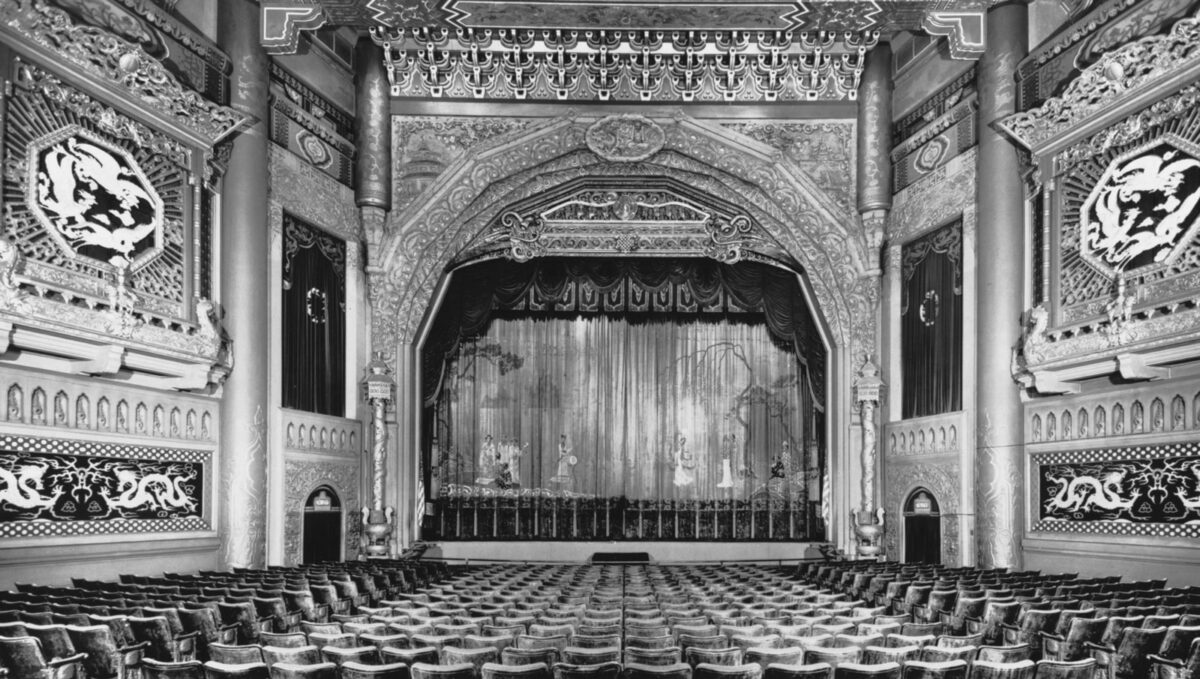
During lunch hour, office workers gathered along the ground-floor arcade to catch early glimpses of the theater’s lavish finishes. San Francisco artist Gustav Liljestrom had spent months studying historic Asian architecture before crafting the interior palette. Seattle was asserting itself as the primary Gateway to the Orient, and this theater embraced that identity eight full months before Grauman’s Chinese Theatre debuted in Hollywood.
Through the rest of the afternoon, anticipation built throughout the Skinner Building as stage crews finalized sound checks and early ticket holders gathered near the entrance.
Every element visible through the entrance set a new standard for downtown craftsmanship:
- The Carriage Entry: Heavy timber doors featured brass good-luck knobs beneath a richly painted, coffered plaster ceiling designed to evoke imperial woodwork.
- Auditorium Seating: The hall accommodated nearly 3,000 custom chairs finished in red and gold lacquer, upholstered in deep green fabric, and fitted with low-profile aisle lamps.
- Ventilation Engineering: Under every third seat, custom mushroom-shaped ducts quietly pulled, washed, and heated fresh air to keep the auditorium comfortable year-round.
- The Imperial Dome: High above the floor spanned a decorative dome modeled on the Throne Room of the Forbidden City, built at twice the scale of the Beijing original. Coiled across its center was an imperial five-toed dragon holding the illuminated Pearl of Perfection chandelier in its mouth.
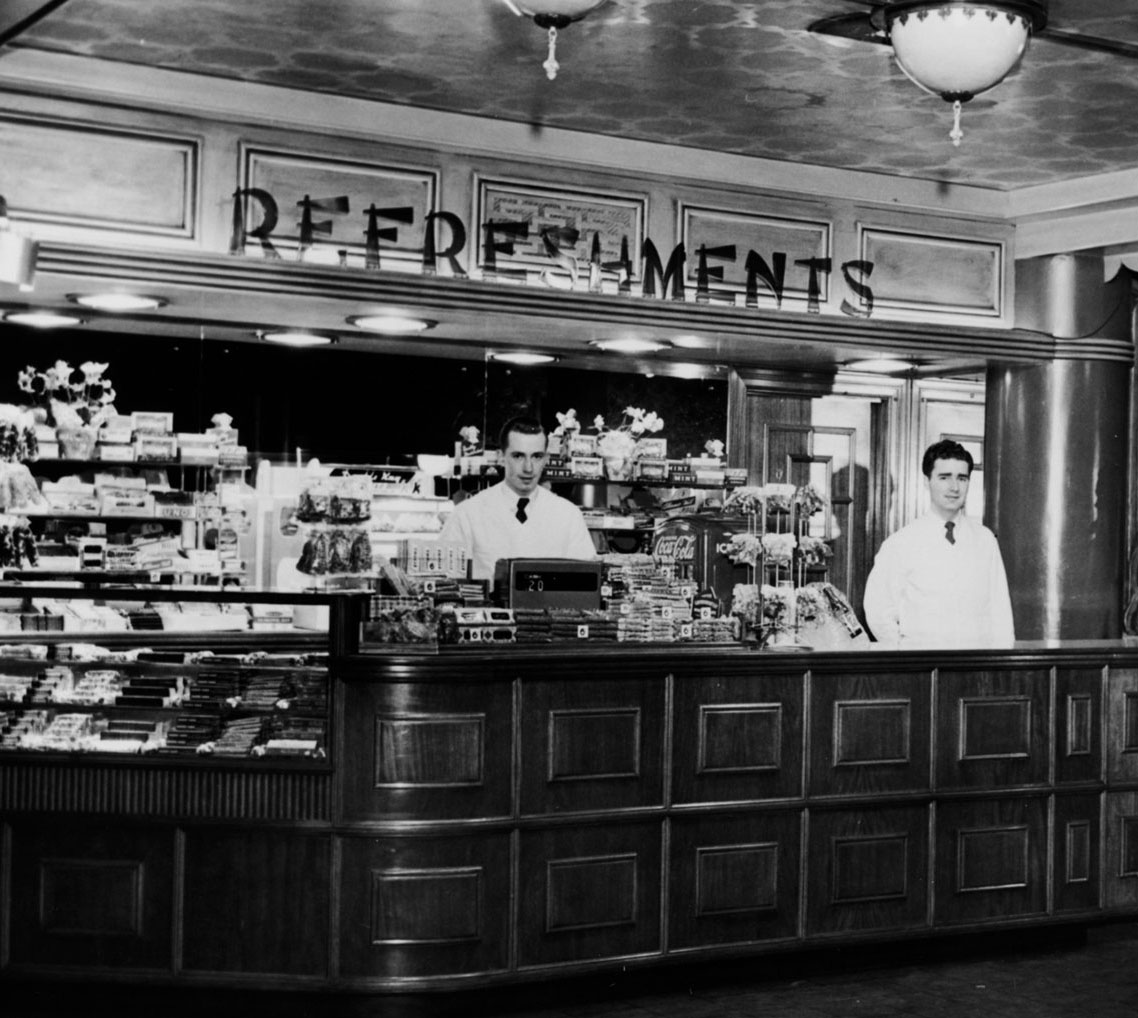
Nightfall Inside the Palace
Those holding tickets for the evening bills at 6:00, 8:30, or 11:00 PM walked into an extraordinary theatrical showcase.
Seattle’s own Oliver Wallace took the bench at the Wurlitzer pipe organ as it rose out of the orchestra pit. On screen and stage, audiences experienced Cecil B. DeMille’s photoplay Young April, alongside Fanchon & Marco’s stage revue The Night Club featuring Lipschultz and his soloists.
Stepping back onto the sidewalk close to midnight beneath the incandescent glow of the marquee, patrons walked through a downtown district that felt directly tied to the creative pulse of the world.
Celebrating Our Centennial
One hundred years later, that same cultural vitality continues to anchor our community. The Skinner Building and the 5th Avenue Theatre have endured through careful stewardship, community preservation, and generations of dedicated theatergoers.
As the Metropolitan Tract and Seattle Theatre Group (STG) mark this shared centennial milestone, the neighborhood’s legacy of arts, architecture, and innovation remains as vibrant as ever. To discover more archival stories and explore how the district has evolved over the past century, visit our History page.
Sources:
Flom, Eric L., and John Caldbick. 5th Avenue Theatre (Seattle), 17 Mar. 2012, historylink.org/File/3750.
Becker, Paula, and Rita Cipalla. “Historic Theater District (Seattle).” Historic Theater District (Seattle), 28 Sept. 2026, historylink.org/File/22993.